Unlock Deeper Flavors: The Secret to Aromatic Grains
The Simple Method for Toasting Your Grains
Achieving a more profound flavor in your grains is remarkably straightforward. Regardless of whether you're working with rice, farro, freekeh, bulgur, quinoa, or wheat berries, the technique remains consistently easy.
Begin by heating a wide pot or pan over medium heat until it's sufficiently warm. For a pure, unadulterated nutty essence, leave the pan dry. If you desire added richness, incorporate a small amount of oil, butter, or ghee. Next, introduce the raw grains to the hot surface, spreading them into an even layer to ensure uniform toasting. For an extra layer of flavor, consider sautéing aromatics such as onion or shallot before adding the grains. Maintain a steady heat and stir periodically to prevent burning, but avoid continuous stirring. The initial indication of successful toasting will be a shift in aroma—from a flat, starchy scent to a warm, nutty fragrance. Visual cues will follow: some grains, like rice and barley, will become slightly translucent, while others will deepen in color. This process typically concludes within two to six minutes.
Once toasted, proceed to cook the grains as you normally would, adding water or broth. The enhanced, toasty notes will seamlessly integrate into your final dish.
A Comparative Taste Exploration: Toasted Versus Untoasted
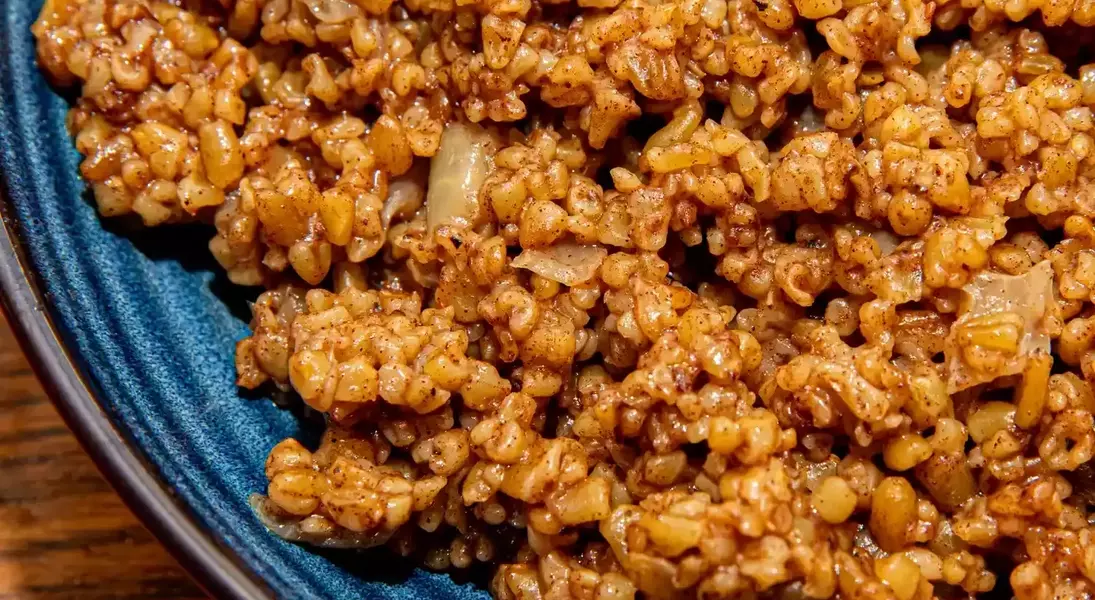
To highlight the impact of toasting, I conducted blind taste tests with both rice and farro, and the distinctions were remarkably clear. For each grain type, I prepared pilaf-style batches using two different methods: one set was toasted prior to cooking, and the other was cooked directly without toasting. Within each of these sets, I created a plain version using only water, and another with onion, olive oil, and salt. In blind tastings with my friends, the untoasted grains were perceived as mild and understated. In contrast, the toasted batches exhibited a more profound foundational flavor—the farro tasted heartier, and the rice was notably more fragrant. While the texture remained consistent—fluffy and tender—the toasted iterations possessed a subtle complexity that lingered on the palate.
The Scientific Transformation Behind Toasting Grains
Why did the toasted versions consistently outperform their untoasted counterparts in taste tests? The reason extends beyond mere perception; it's rooted in a scientific process. Exposure to high heat alters the chemical composition of the grains, generating aromas and flavors that are simply absent when grains are cooked directly in water.
As grains encounter the hot pan, they emit a faint sizzle and soft crackle, with some pieces occasionally jumping from the pan. Initially, their appearance is pale and chalky. However, as they heat, refined grains such as white rice and pearled barley often become slightly translucent. This occurs because these grains, having had their bran removed, are primarily composed of starchy endosperm. The heat causes the starch to loosen and moisture to redistribute, giving the grains a glassy appearance even before any liquid is introduced.
Conversely, whole grains like farro, quinoa, or wheat berries, which retain their bran and fiber-rich outer layers, do not become translucent. Instead, their color subtly deepens. Across both refined and whole grains, the aroma transforms from a simple, starchy smell to a warm, nutty fragrance. This additional step imparts a nuanced depth to the finished dish, resulting in grains that offer a more layered and earthy taste experience.
Determining When Toasting Grains Is Beneficial
Given the demonstrable impact of toasting on grain flavor, a practical question arises: Is this step always necessary? The answer hinges on the role the grains are intended to play within a dish. If grains are the focal point—as in a pilaf or a grain salad—the few extra minutes spent parching are well worth it. That nutty undertone contributes to a more cohesive and refined dish. In the context of risotto, toasting the rice is not merely an option but a crucial step for achieving the desired final quality. However, if the grains are primarily meant to absorb rich sauces, stews, or curries, you can likely bypass this step. In such instances, the distinctive toasted notes would be overshadowed by more dominant flavors, negating the benefit of the additional effort.
The Ultimate Takeaway on Toasting Grains
While toasting grains may not entirely revolutionize your meal, it undeniably steers the flavor in a more desirable direction. It's a swift and effective technique that enhances the inherent character of grains, culminating in even the simplest preparations tasting richer and more aromatic.
New